
Visit of the Vice-Prime Minister of Liechtenstein to Ndiouck Fissel
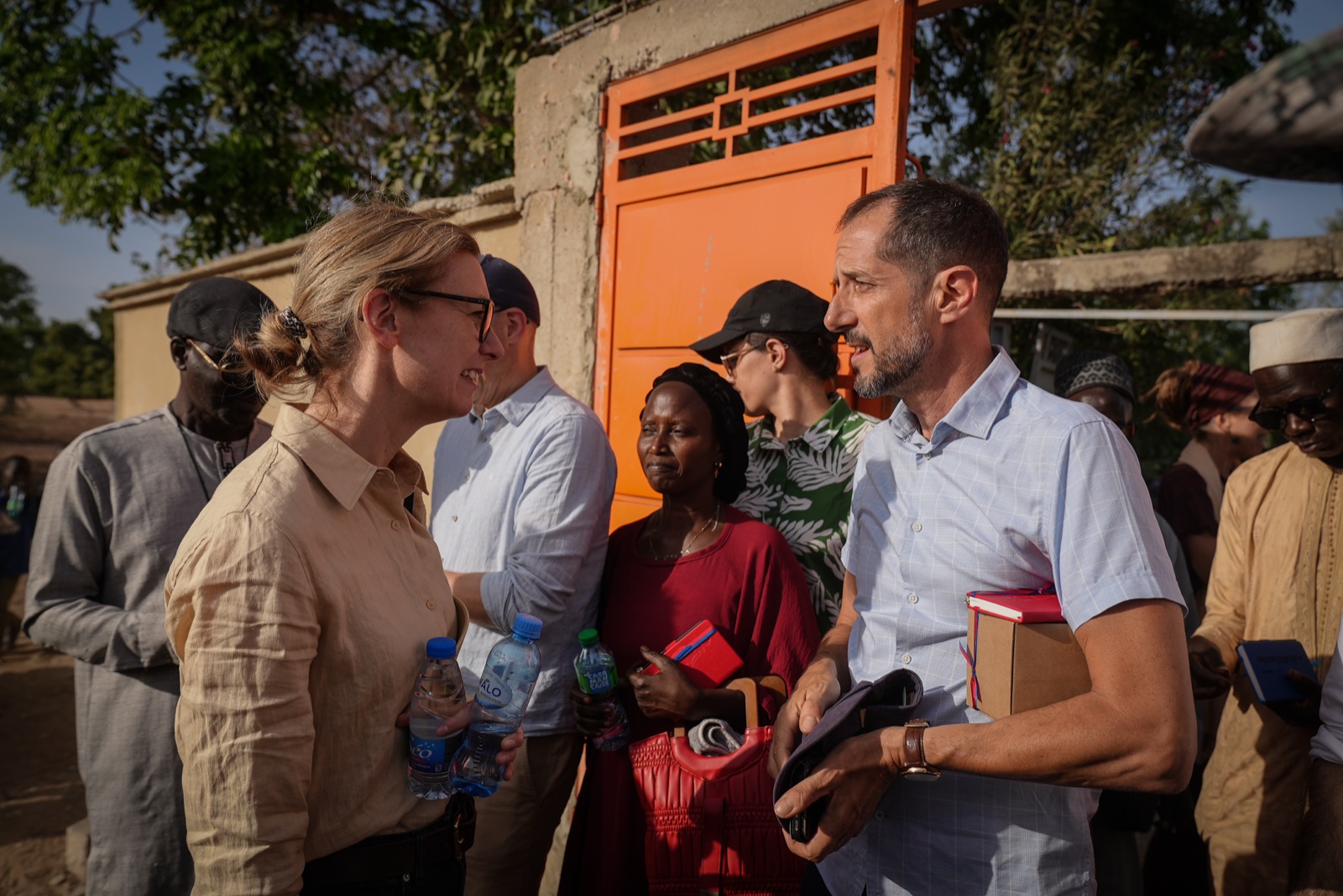
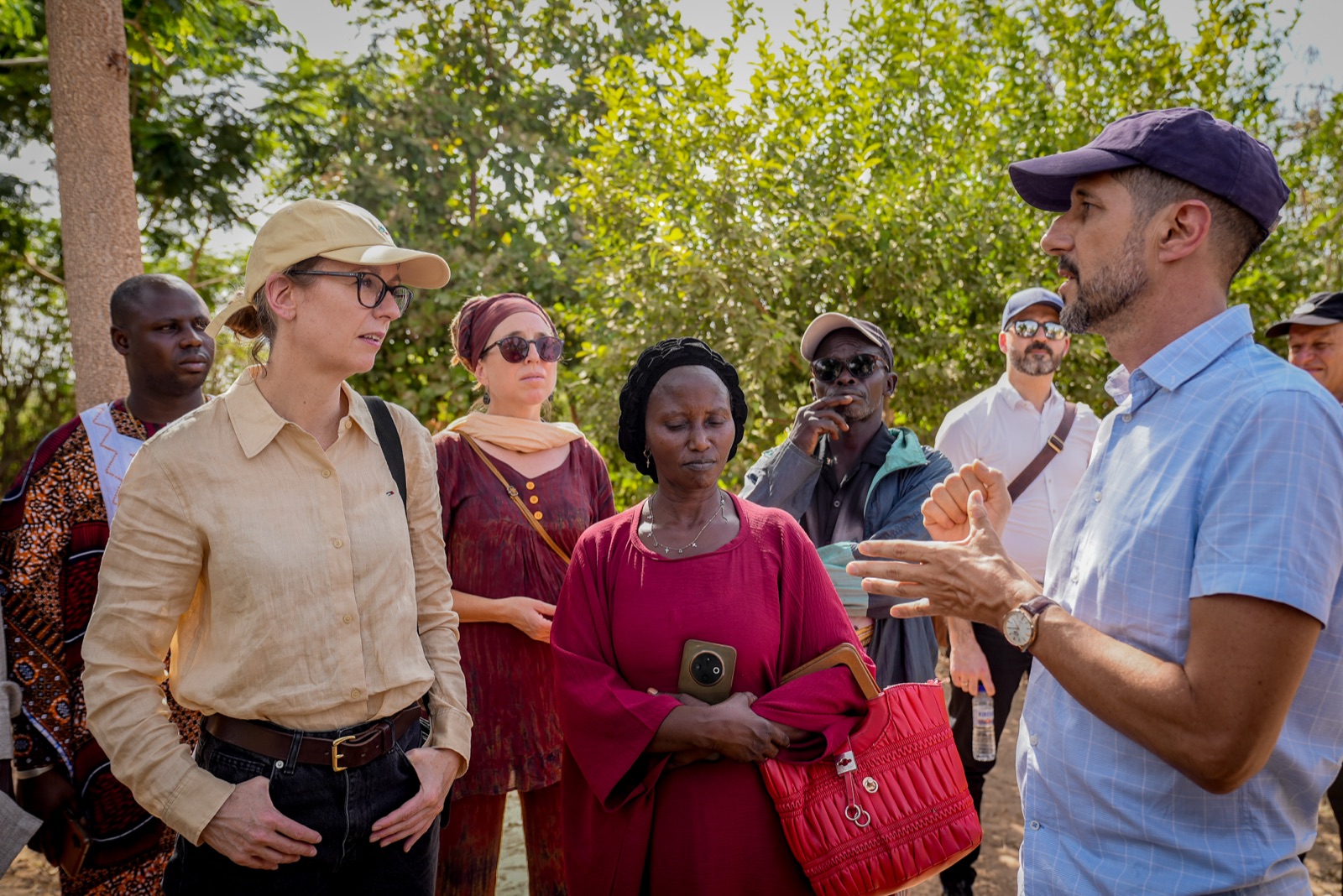
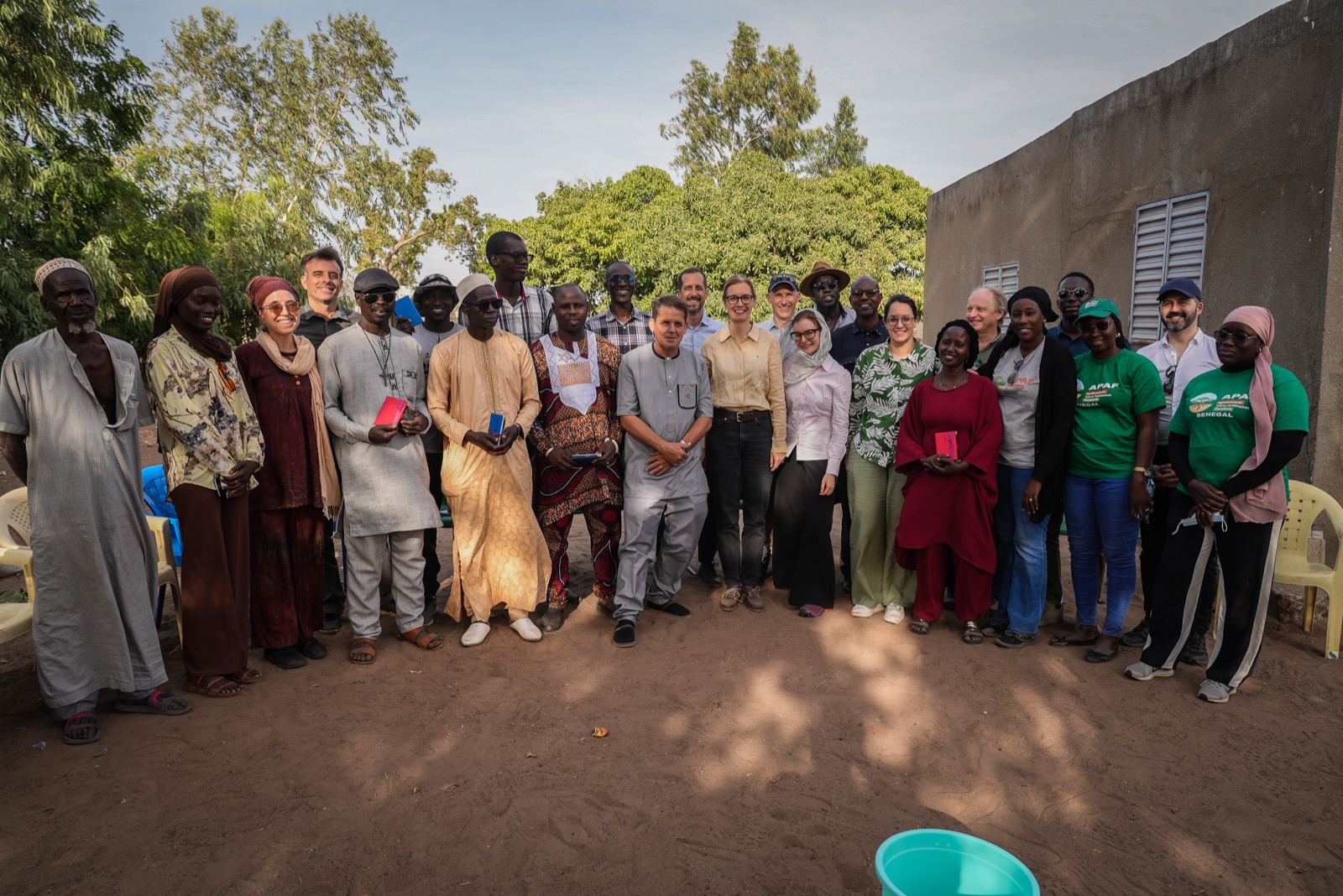
On 28 April 2026, H.E. Sabine Monauni, Vice-Prime Minister of Liechtenstein and Minister of Environment, Foreign Affairs and Culture, travelled to Ndiouck Fissel to discuss the concrete realities of the agroecological transition in Senegal.
CREATES welcomed the Minister, her team and representatives of the Liechtenstein Development Service (LED). After an initial exchange over lunch, the delegation travelled together to Ndiouck Fissel, a village where CREATES has been working for several months as part of a documentary currently in production.
A territory that captures the stakes of the transition
Ndiouck Fissel condenses several of the issues that structure CREATES’ work:
- the conflictual coexistence between agroecological market gardens and agro-industrial expansion,
- the place of peasant agriculture in local food systems,
- the aspirations of rural youth,
- territorial governance led by citizen platforms.
Agroecology does not play out at the scale of a single plot. It engages territories, resources, power relations, livelihoods and collective choices about the future of food systems.
A thank you to LED, CREATES’ first donor
The visit was also an opportunity to thank LED directly, as the first donor to place its trust in CREATES at a time when the organisation was still young and little known. That trust continues today through the Bey Diiwaan - Cultivating Territories project, funded by LED, which deploys a territorial approach to agroecology on the Petite Côte, in the Saloum and in Casamance, centred on the inclusive governance of food systems. Today, CREATES carries six projects, brings together a team of ten, and is preparing the construction of its headquarters in Thiafoura. That first act of trust made this trajectory possible.
Connecting the field with public policy
CREATES thanks H.E. Sabine Monauni and the delegation for taking the time to come into the field, to meet local stakeholders and to discuss what the expressions “sustainable food systems” and “agroecological transition” really mean in practice.
We look forward to sharing this beautiful village with a wider audience when the documentary is released.