Living Labs
Spaces for experimentation rooted in the territories
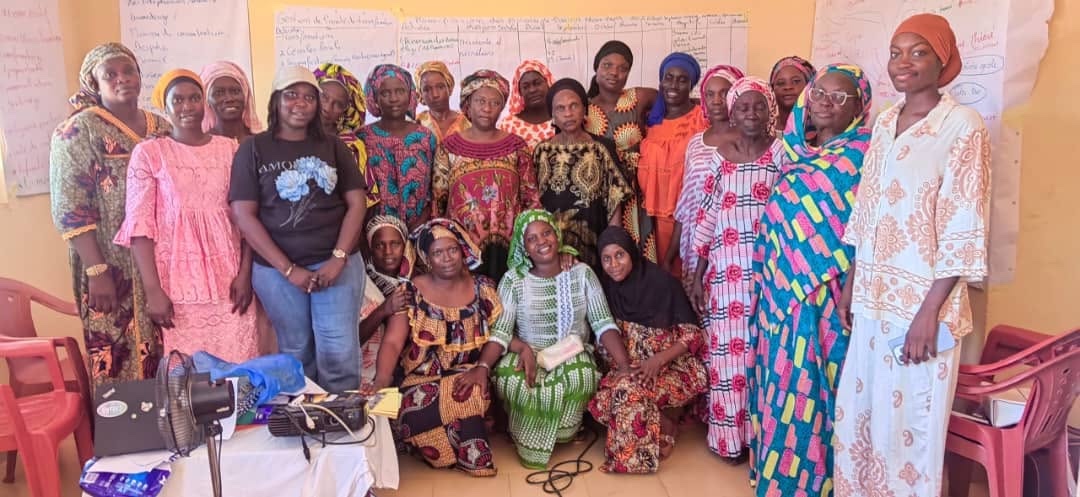
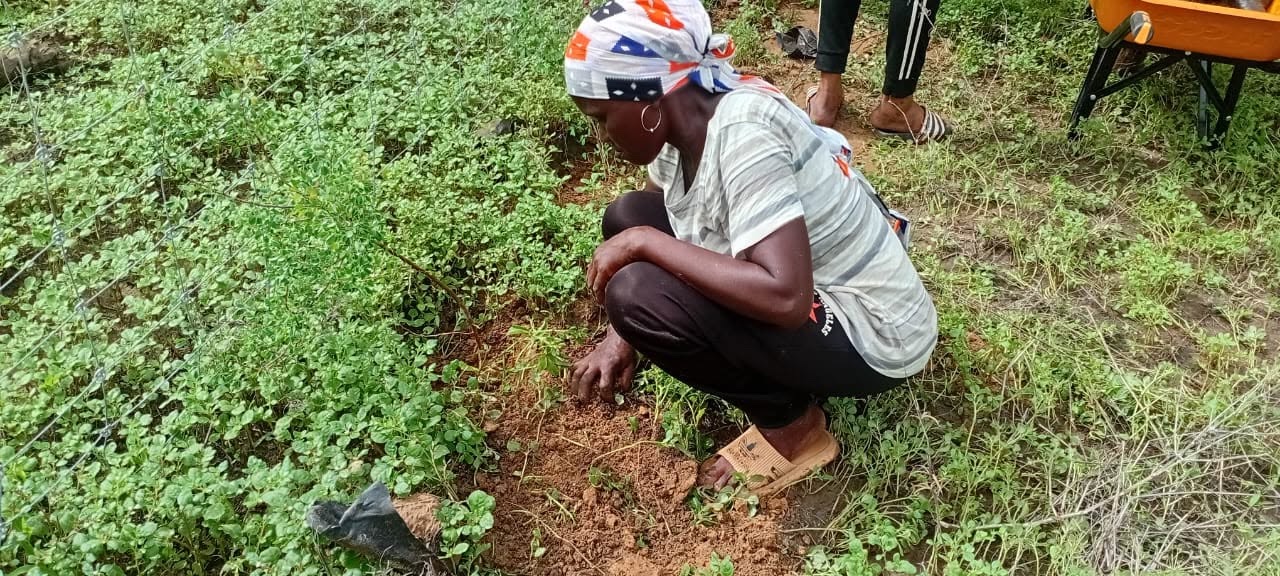
Living labs are at the operational heart of CREATES. They are spaces for real-world experimentation, where research and action feed each other. Rooted in the territories, they enable the co-construction and testing of sustainable solutions with local communities, drawing on transdisciplinary and participatory approaches.
What is a living lab?
A living lab is an open innovation ecosystem, operating in real-world conditions, that places inhabitants at the centre of the research and innovation process. Unlike conventional laboratories, the living lab leaves the university walls to anchor itself directly in the territories. It functions as a meeting space between scientific knowledge and local knowledge, where solutions emerge from practice and collective experimentation.
The Living Lab Cycle
The six functions of the living lab
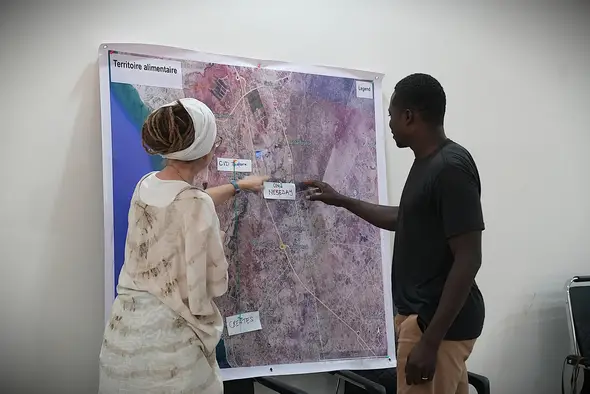
Each CREATES living lab articulates six complementary functions: the Observatory (production and sharing of territorial knowledge), Incubation (experimentation with innovative solutions), Negotiation (building a shared vision of the territory), Governance (mechanisms for inclusion and collective decision-making), Capacity building (training and support for local actors) and Advocacy (communication and influence on public policies). These functions operate through the lens of agroecology-based territorial food systems and target four dimensions of fairness: ecological, political, economic and sociocultural.
The Thiafoura Living Lab
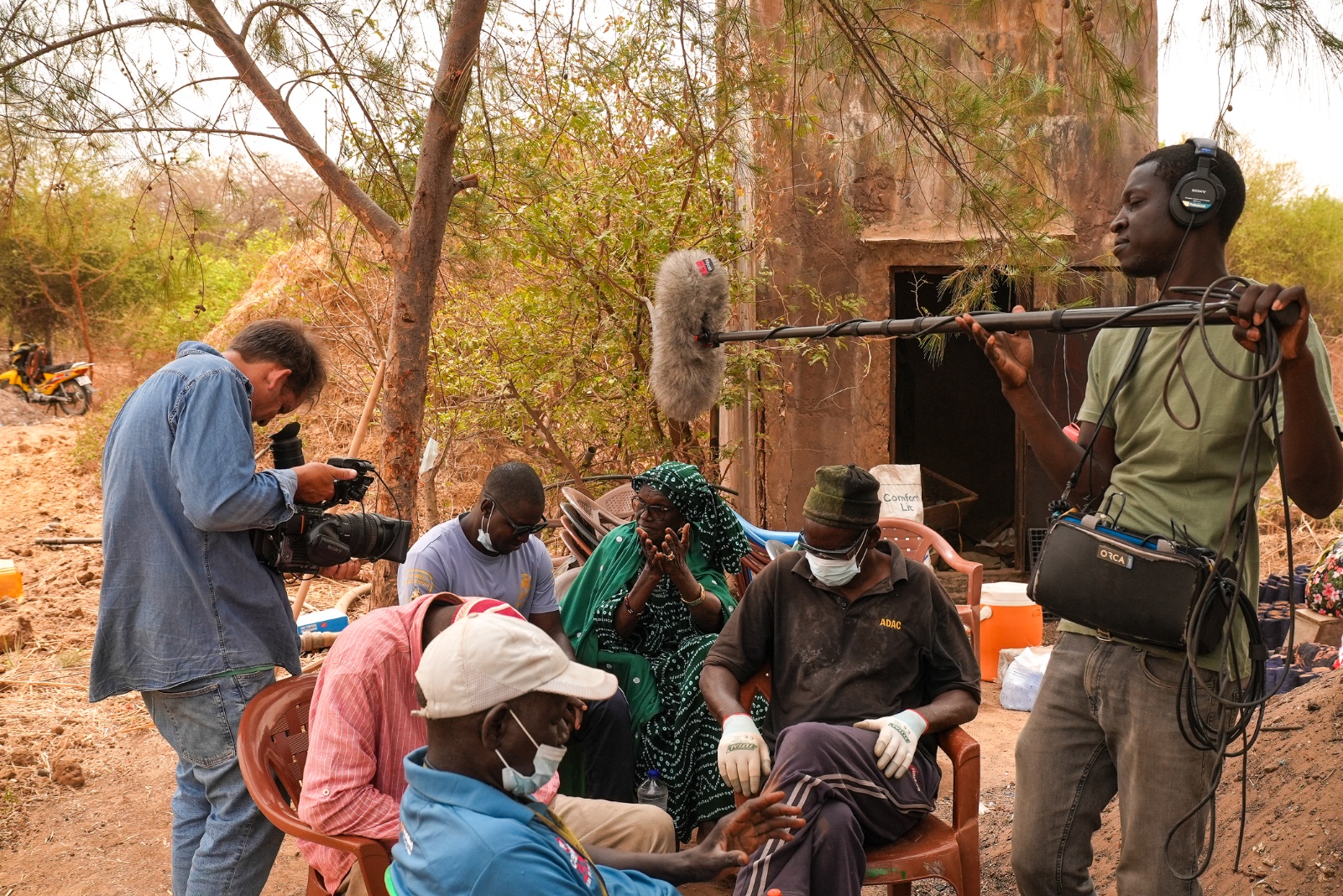
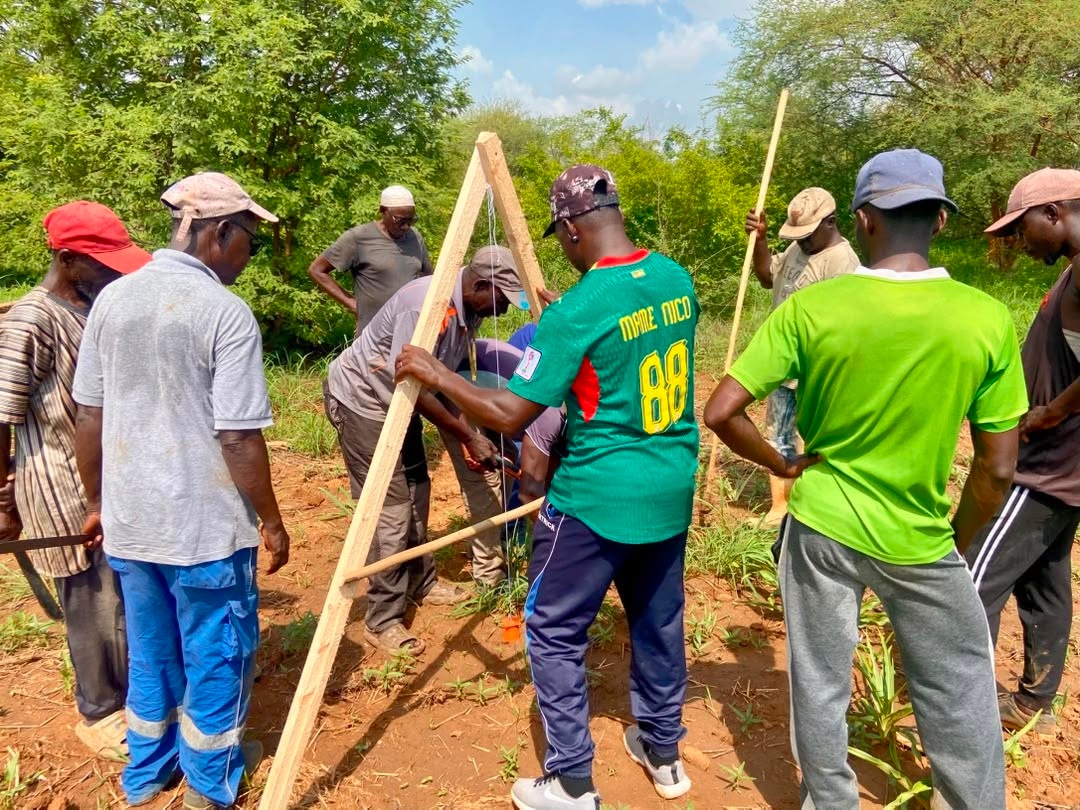
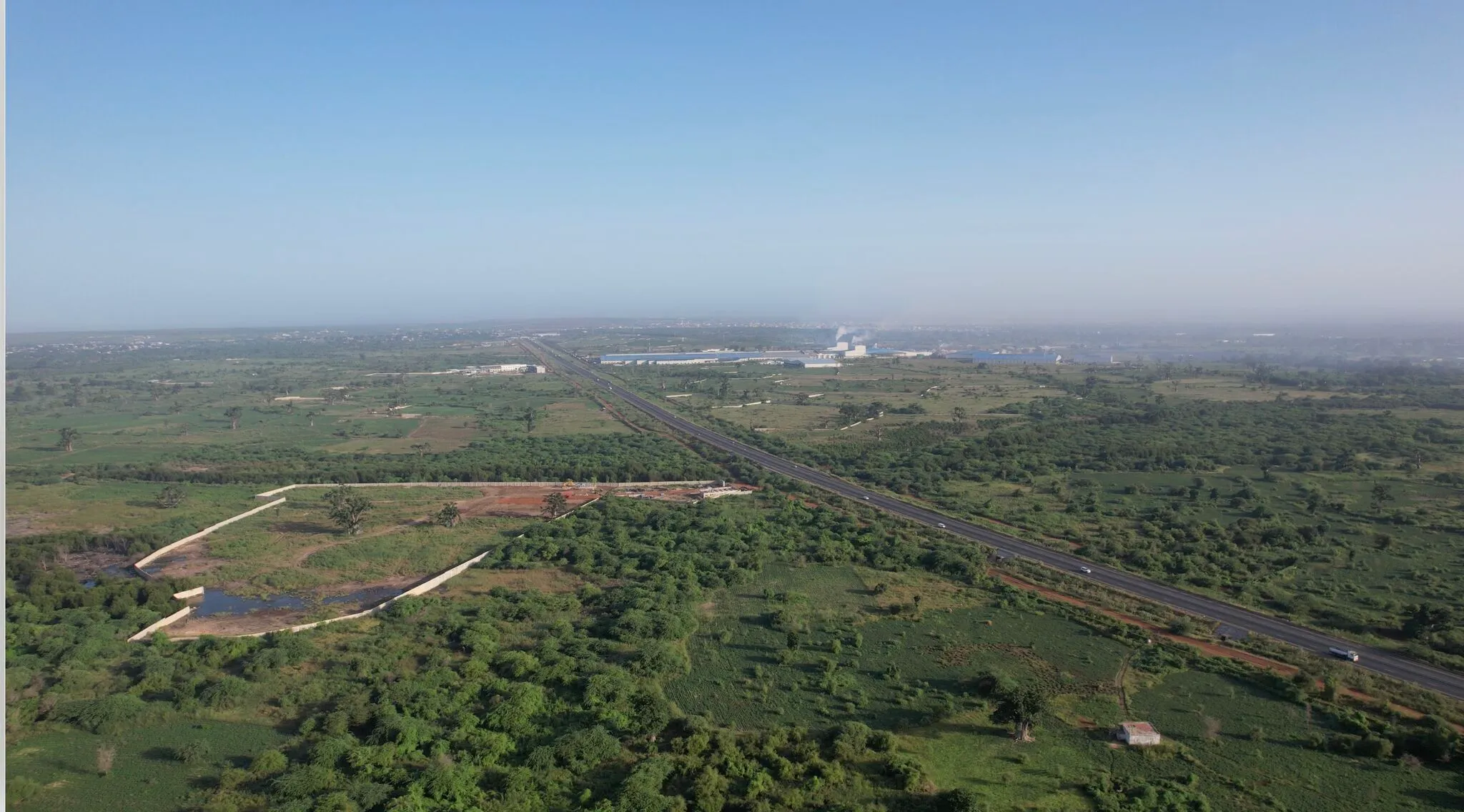
Thiafoura, in the heart of the Saafen country in Senegal, hosts the first physical living lab of CREATES. Following the acquisition of a plot of land, CREATES is building an action-research centre designed as a true living laboratory. The site integrates a medicinal forest, processing units, a community reserve and shared gardens — a space conceived to co-construct and experiment with sustainable, local and shared solutions.
The living lab ecosystem
The Thiafoura living lab is part of a rich and interconnected territorial ecosystem. The CREATES Centre forms its core, articulating research, training and incubation. Around it orbit the Tolou Keur (family forest-gardens) for agroecological intensification, the DyTAEL (Dynamiques Territoriales pour l'Agroécologie Locale) which structure inclusive governance of food systems, the Village Committee ensuring community anchoring, production and processing units, sales points for short supply chains, the Racines Network weaving links between communities, and the contribution to the Great Green Wall for the revitalisation of natural commons.
The territorial ecosystem
Grounded research
This project embodies the philosophy of CREATES: anchoring research in the territories, far from the main boulevards, as close as possible to communities. The Thiafoura living lab is a concrete step towards infrastructure serving the agroecological transition and food sovereignty. It is here that the first earthen brick of the centre will be laid — a symbol of CREATES' commitment to research that is at one with local realities.